March 01, 2026
The 2026 Guide to Spring Cleanups in the Lehigh Valley
March in the Lehigh Valley is unpredictable. One day it is 65 degrees and sunny, the next morning brings two inches of slushy snow.
Because of this false-start weather, many homeowners wait too long to begin spring property prep. By the time weeds are being pulled and mulch laid in mid-May, the weeds have already gone to seed, and the soil has not been properly prepared for the growing season.
Here is the exact checklist Sombra's crews follow for every property, starting the first week the snow melts.
1. The Deep Debris Clear
Winter storms bring down branches, scatter leftover autumn leaves, and blow trash into beds. The first step is a meticulous clearing of all organic and inorganic debris from the lawn and beds. Wet, matted leaves left on the lawn smother turf grass and invite snow mold, killing patches before the grass even has a chance to wake up.
2. Cutting Back Perennials and Ornamental Grasses
Ornamental grasses (like Maiden Grass) and perennials left standing for winter interest need to be cut back at this stage. The ideal cut is a few inches above the crown, before the new green growth starts pushing through. Waiting too long risks cutting the new growth along with the dead stalks.
3. Edge Definition
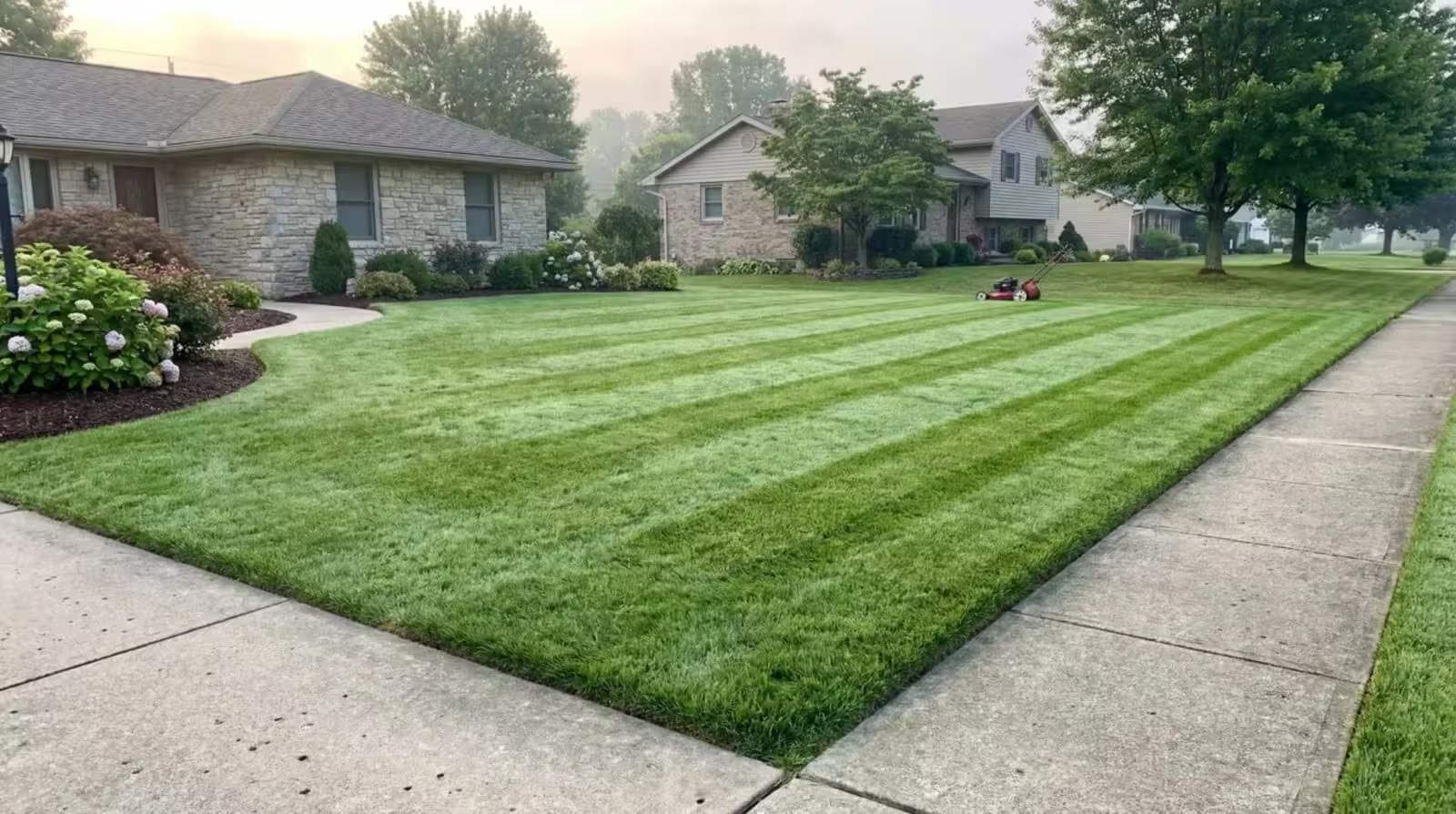
This is the detail that separates a professionally managed property from the rest. A clean, deep edge (cut with a specialized edging machine or a flat spade, not a string trimmer) creates a sharp boundary between the turf and the mulch beds. It prevents grass from creeping into beds and gives the landscape a crisp, geometric definition.
4. Pre-Emergent and Mulch
Once the beds are clean and edged, a granular pre-emergent herbicide is applied. This stops weed seeds (like crabgrass) from germinating. Finally, a fresh layer of premium dark brown or black dyed mulch is installed. The mulch suppresses weeds, retains moisture during the hot July weeks, and slowly adds organic matter back into the soil.