September 05, 2025
Fall Aeration and Its Role in Spring Lawn Health
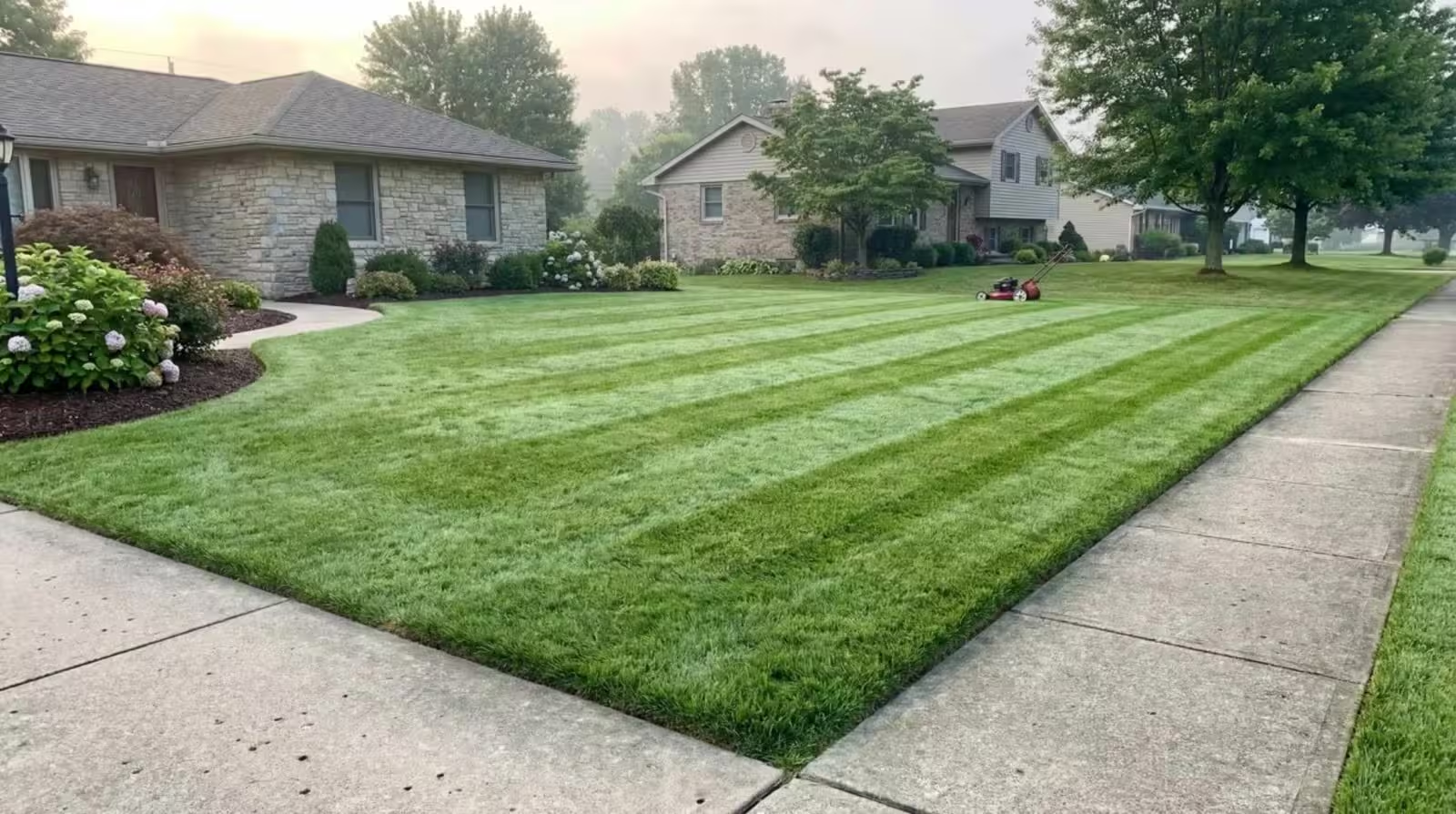
Homeowners spend hundreds of dollars on fertilizer and weed control every spring, hoping for a lush, green lawn. Yet, despite their best efforts, the grass remains thin, patchy, and prone to drought stress in July.
The culprit is rarely a lack of nutrients. It is soil compaction.
In the Lehigh Valley, the soil is naturally heavy with clay. Over the summer, foot traffic, lawn mowers, and rainfall compress this clay into a brick-like surface. When the soil is compacted, water runs off instead of soaking in, and roots cannot push deep enough to find moisture or nutrients.
How Core Aeration Works
Core aeration is the mechanical process of pulling small plugs of soil (about 2-3 inches deep) out of the lawn. This immediately relieves soil compaction, allowing oxygen, water, and fertilizer to penetrate directly to the root zone.
The difference is night and day. A deeply rooted lawn is naturally resilient against drought and disease, and is thick enough to choke out weeds before they germinate.
Fall Overseeding and Germination Conditions
Aeration is only half the equation. The absolute best time to seed a lawn in Pennsylvania is early fall, immediately following an aeration service.
The thousands of holes left by the aerator create perfect, protected pockets for grass seed to germinate. The soil is still warm from the summer, but the air temperatures are cooling down, and the heavy morning dews provide ideal moisture.
By overseeding in September, the new grass has months to develop deep root systems before the harsh heat of the following summer.
Addressing the Foundation
Lawns that never seem to thrive despite regular chemical applications are almost always dealing with a compaction problem. A professional core aeration and overseeding service in the fall is the single most effective investment in turf health.